Featured
Table of Contents
Image from: Every UX case study is a distinctive narrative about your venture and previous works.
Privacy Preference CenterWhen you go to websites, they may store or recover data in your web browser. This storage is frequently essential for the fundamental functionality of the website. The storage may be utilized for marketing, analytics, and personalization of the website, such as saving your preferences. Personal privacy is essential to us, so you have the option of disabling particular kinds of storage that might not be necessary for the basic functioning of the website.
Marketing networks generally place them with the website operator's permission. These products allow the website to keep in mind choices you make (such as your user name, language, or the area you are in) and offer enhanced, more personal functions.
This storage type generally doesn't gather information that identifies a visitor.
Developing a High-Impact Agency Portfolio
The article highlights how UX case studies show tactical style options that result in quantifiable improvements in product performance. Each example follows essential UX principles like clearness, consistency, and model that use across markets. Readers get insight into applying methods from widely known case studies to their own UX difficulties, regardless of product size or scope.
It's how it works, how it guides individuals, and how it makes them feel while utilizing it. UX case research study examples are effective because they offer us a front-row seat to the believing behind that type of effect. They show how groups identified problems, explored user needs, and made design choices that improved whole product experiences.
At Oddit, we focus on turning item friction into clearness. Our team dives deep into live interface and finds the little design decisions that lead to huge changes. We're not here to explain defects. We're here to expose what's being missed out on and what can be done better. The brand names we deal with walk away with sharper flows, cleaner user interfaces, and experiences that in fact transform.
They assist discover the believing behind user interface choices, layout adjustments, and performance tweaks that typically result in significant enhancements in user experience. In item design, excellent UX isn't optional. It directly impacts user engagement, complete satisfaction, and retention. Examining well-documented UX case research studies gives designers, product supervisors, and founders a behind-the-scenes take a look at how brands change insights into action.
At Oddit, we see the value of these examples every day. They help teams recognize missed out on chances in their own interfaces and inspire modifications that really move the needle. Whether it's a visual hierarchy shift or a copy tweak that reduces bounce, the right case research study can alter how you see your own product.
Best Practices to An Impactful Business PortfolioUnlocking High Performance With Modern A/B Testing
It exposes the strategy, choices, and results behind an item's transformation. The most impactful ones tend to consist of the following core parts: A case study must start with a clear description of the challenge being resolved. This includes identifying specific user discomfort points or product constraints that require resolving. Without this clearness, the remainder of the study does not have direction and context.
This area typically includes methods like user interviews, information analysis, or use testing to reveal actionable insights. It signals a thoughtful and intentional design process rooted in proof. This is where the believing becomes noticeable. Mockups, wireframes, and interface enhancements need to be directly tied to the issues formerly described. Strong case research studies stroll the reader through each design option with reasoning, not simply visuals.
Whether it's a boost in user engagement, much better job completion, or reduced friction, results reveal the real-world value of the work. This also strengthens the credibility of the decisions made throughout the process. The finest case studies finish with a reflection. This part often highlights lessons learned, alternative techniques thought about, or areas for more improvement.
Theory is handy, however results speak louder. The following UX case study examples come directly from real brand names that partnered with Oddit to improve their digital experiences. Every one shows how targeted UX audits and style improvements led to measurable organization results throughout different industries: Oodie, the popular wearable blanket brand, concerned Oddit wanting to sharpen their ecommerce experience.
How Improving Conversions Drives Growth
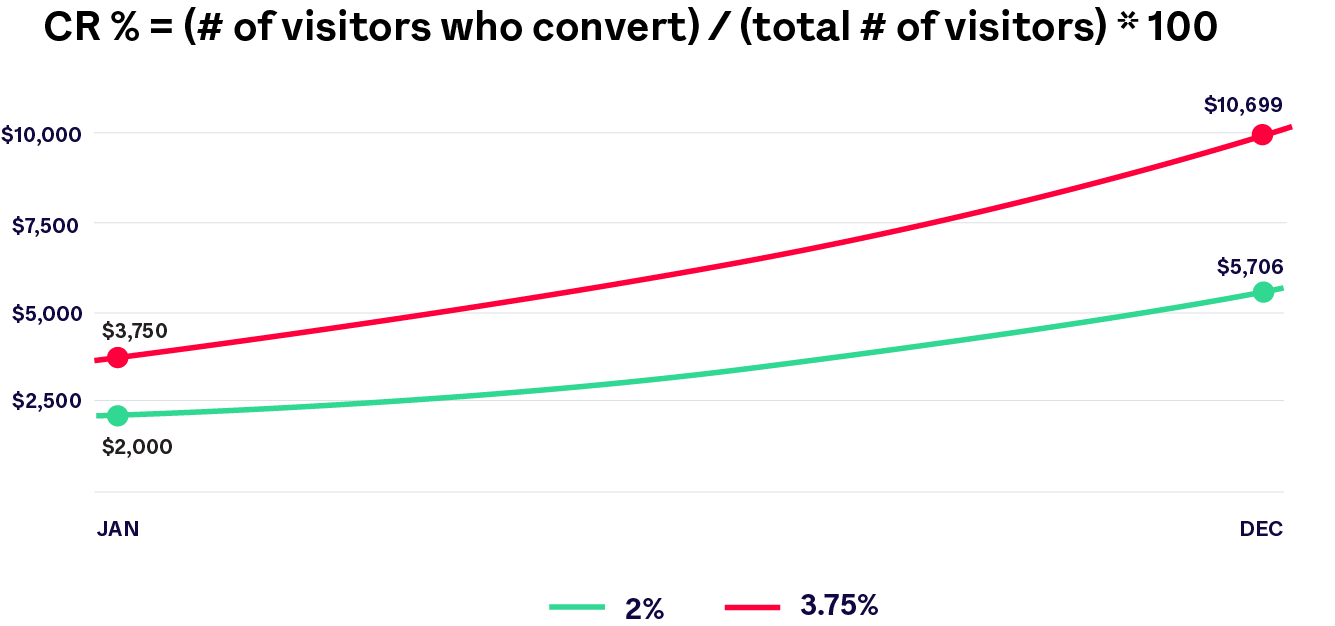
By fine-tuning visual hierarchy, simplifying decision points, and enhancing essential interaction locations, Oodie saw a 3 to 5% increase in conversion rate and repaid the cost of the report in just 11 minutes. The result was millions in brand-new monthly income driven by smarter, more intentional style. Crossnet, the four-way volleyball brand, required their online store to match the energy of their item.
The structured experience made it much easier for visitors to comprehend the item and take action, resulting in a 20% increase in Add to Cart rate. It's a clear example of how removing friction, not adding features, produces genuine momentum. Fresh Chile Co, a specialized food brand name, had a devoted customer base but their website wasn't doing them justice.
After executing targeted design modifications, the brand name experienced a 78% boost in conversion rate and a 271% rise in overall orders. This case research study proves that even brands with strong items can unlock massive development by repairing the experience around them. Frontend Simplified, an online coding education platform, required to turn more visitors into registered students.
For education brand names, this case study reveals how UX straight impacts the bottom line. The audit recognized opportunities in item images presentation, trust signals, and the path to buy.
Effective Tips for Digital Growth
This case study highlights how fast, focused UX improvements can provide outsized returns in competitive markets like appeal. Cleaner Co, a cleaning company company, dealt with the difficulty of transforming website visitors into reserved consultations. Oddit's evaluation focused on the booking flow, page structure, and trust-building aspects that affect service-based purchases.
It's a strong suggestion that UX principles use just as powerfully to service companies as they do to product brands. Roaming Bear Coffee, a cold brew brand, wanted to enhance the performance of their paid acquisition efforts. Oddit created a high-converting landing page that aligned messaging, visuals, and design to better match visitor intent.

Latest Posts
Comparing Traditional and Digital Media Models
Linking AEO and Digital Reputation Management
The Definitive Guide to Large-Scale Technical Site Audits